Meadow Making
Overview of a Coastal Meadow Project

A 1/4 Acre Lawn Restoration Project
Here are the steps taken to create our coastal meadow and some of the lessons we learned along the way. There are many excellent reference guides on meadow making available and the links to many of our favorites are listed in the Resources tab.
Meadow Making Guides advise to look at your site and set your goals as a first step. Our meadow site was a 1/4 acre vernal wet area of tall fescue, hairy cats-ear, and queen anne's lace. This site was at the entrance to the neighborhood, so it was highly visible to the neighbors. This fescue lawn was mowed twice per year in late May and late June. Our goal was to increase native biodiversity and to create wildlife habitat, to make a place for our wildlife neighbors to "hang out and raise the kids".

There are many ways to rid a meadow restoration site of weeds and grass, so that the area is prepped for planting and sowing seed. We chose to smother the grass with cardboard and chips, as we believed this method would bury the existing weed seed bank best, as well as be more visually appealing to the neighbors. Also, as the site was quite wet, we hoped the chips would decompose quickly. We first cut the existing vegetation to the ground, set down cardboard, and covered the cardboard with a 6" layer of wood chips. To ensure our chosen method would work, we first did a 20' square test area.
As the cardboard decomposed, some grass shoots would grow through the chips, but these were easy to pull. The test plot was fairly wet, so by the fall, the area was ready to begin planting.

Planting
We chose to grow most of our own seedlings using seed from the native plants going on the shoreline. We were advised to plant 30% grasses, 3% bulbs, and 40% forbs. We purchased great camas bulbs from a nursery, grew grasses using the roemer's fescue seed already on our site, and grew various wildflowers as plugs. The plugs and bulbs were planted in the fall of 2020 and were doing well the following spring. With this test site success, we launched into covering the entire 1/4 acre area in cardboard and mulch.
Lesson #1: Keep your meadow manageable and have a reality based plan of planting the full area within a year. A good rule of thumb is a seedling every 9". For 1/4 acre site, that is 19.360 seedlings. If that sounds like a lot of plants, it is because it is. if you clear more area than you can plant, you will then just start fighting the weeds that come in. Focus on what you can convert and do that smaller area well. You will be ahead in the end.
Lesson #2: For a pacific Northwest coastal meadow, use bunch grasses sparingly. 5% is a good amount, unless you specifically want more grasses. Traditional meadows are mostly forbs and bulbs and the grasses will also self-propagate well. Mature bunch grasses are large plants and at full size, will crowd out the forbs.
Each year, we continued to add seedlings. As the plants matured and began to flower, the plants began to self-sow and spread. onsider how you will provide plants for your project. The meadow is beginning to fill in densely.

Grasses and wildflowers in the meadow test area in the second summer. They are doing well, so we moved forward with converting the rest of the lawn.

A section of the full meadow is planted at 30% grasses which we found too many.

The meadow in year 4. The buttercup and field chickweed are beginning to form dense patches and fill in.
A Native Meadow Garden Bed
Preparing your site for planting is important in creating your meadow, as good preparation reduces weeding and maintenance and helps your plantings survive . There are various methods of site preparation and your site characteristics, existing vegetation, and financial and time budgets will help you to determine the best method for your project. There is a lot of information existing on site preparation. See the resources tab for my website recommendations on meadow making guides. Below, are the steps I took for my site preparation and what I learned along the way.
Our restoration project consisted of two distinct areas: a remnant rocky bald coastal meadow and a lawn. The coastal meadow was mostly European grasses and weeds, but within the grass were many native wildflowers, grasses, shrubs, mosses and lichens which I definitely wanted to preserve. The lawn area was mostly tall fescue, a popular European lawn grass, with very little native vegetation.

Lawn Area Preparation
To prepare the lawn area, I chose to smother the European grass with cardboard, topped with 6” of wood chips. Initially, I started with a 20’ x 20’ test area to confirm the cardboard and chip layering method would smother the tall fescue grass. In early spring, I cut the tall fescue grass down to the soil level, then laid down the cardboard, overlapping the cardboard edges by 6” to ensure full coverage. Then I topped the cardboard with the wood chips.
As the cardboard decomposed, some grass shoots would grow through the chips, but these were easy to pull. My lawn site was fairly wet, so by the fall, the area was ready to begin planting. In the dryer areas, the cardboard and chips decomposed more slowly, so planting was delayed until the following spring.
Remnant Meadow Preparation
Preparing the remnant meadow areas was more challenging than preparing the lawn area because there were amazing native grasses and wildflowers intermixed with the weeds. Overall for my project, the shoreline remnant meadow has taken more time upfront to prepare than the lawn area, but the restoration effort has been more successful and rewarding in the long term.
To restore a remnant meadow, I needed to remove the introduced species. The first challenge for me was to identify the native from introduced plants. The mobile app, iNaturalist, was a great tool to identify the native plants. I took photos and created a native plant list for the property that helped me to learn the plants growing at me site.
I also asked for help from our local botanist at Kwiaht, Madrona Murphy. There will be native plant enthusiasts in your area garden club or Native Plant Society that know your vegetation and can help you learn. Pull only the plants you are certain are weeds or introduced species that you want to eliminate. If in doubt, leave it.
Winter and early spring are the best times to weed, but it is also the time when many native plant seedlings such as camas and harvest brodiaeas are easily confused with a blade of grass. The harvest brodiaeas have round cylinder blades, whereas grass has flat blades. Grass will also come out with a gentle pull, whereas the brodiaeas and camas will not easily be removed.
(brodiaea photo)
Shrub and tree encroachment is a threat to our meadows and our site was no exception. On my site, the nootka rose, snowberry, and oregon grape, had created a thicket which outcompeted any wildflowers and native grasses. Prior to European settlement, the meadows were burned to remove the douglas fir and shrub encroachment and promote the wildflowers which were a major food source.
(thicket photo)
Given the large number of homes nearby, fire is no longer an option here for controlling the shrubs. To remove the 6’ tall nootka rose thicket, I hired our local arborist, Zack Blomberg of Flower Mountain Tree Services, to mow the rose bushes with a mulch mower. This reduced the shrub mass which was mulched and left to decompose. The shrubs sprouted the following spring, at which time I cut the stems at ground level and dabbed with glyphosate.

(A remnant meadow area. Here, Oregon sunshine (Eriophyllum lanatum) is intermixed with ripgut brome (bromus diandrus).

Planting
Ideas for planting

Put seed in tubes
How to do seed in tubes. How to do seed in tubes. How to do seed in tubes. How to do seed in tubes. How to do seed in tubes. How to do seed in tubes. How to do seed in tubes.

Do more stuff for planting
Do more stuff for planting. Do more stuff for planting. Do more stuff for planting. Do more stuff for planting. Do more stuff for planting. Do more stuff for planting. Do more stuff for planting. Do more stuff for planting. Do more stuff for planting. Do more stuff for planting. Do more stuff for planting. Do more stuff for planting. Do more stuff for planting. Do more stuff for planting.
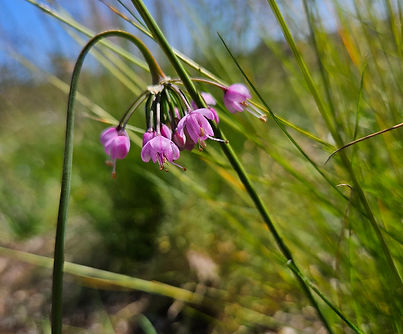
And more stuff for planting.
And some more stuff for planting. And some more stuff for planting. And some more stuff for planting. And some more stuff for planting. And some more stuff for planting. And some more stuff for planting. And some more stuff for planting. And some more stuff for planting. And some more stuff for planting. And some more stuff for planting.
Maintenance

Stuff here about maintenance.
Stuff here about maintenance.